
Theme for 2026 |
|
  |
Shaping the future of education in the AI eraThe 2026 E-Learning International Conference is proudly organized by the E-Learning Centre of the Kwame Nkrumah University of Science and Technology (KNUST). As a flagship event in the realm of digital education, the conference stands at the forefront of the e-learning evolution in higher educational institutions across Ghana and beyond.
|
||
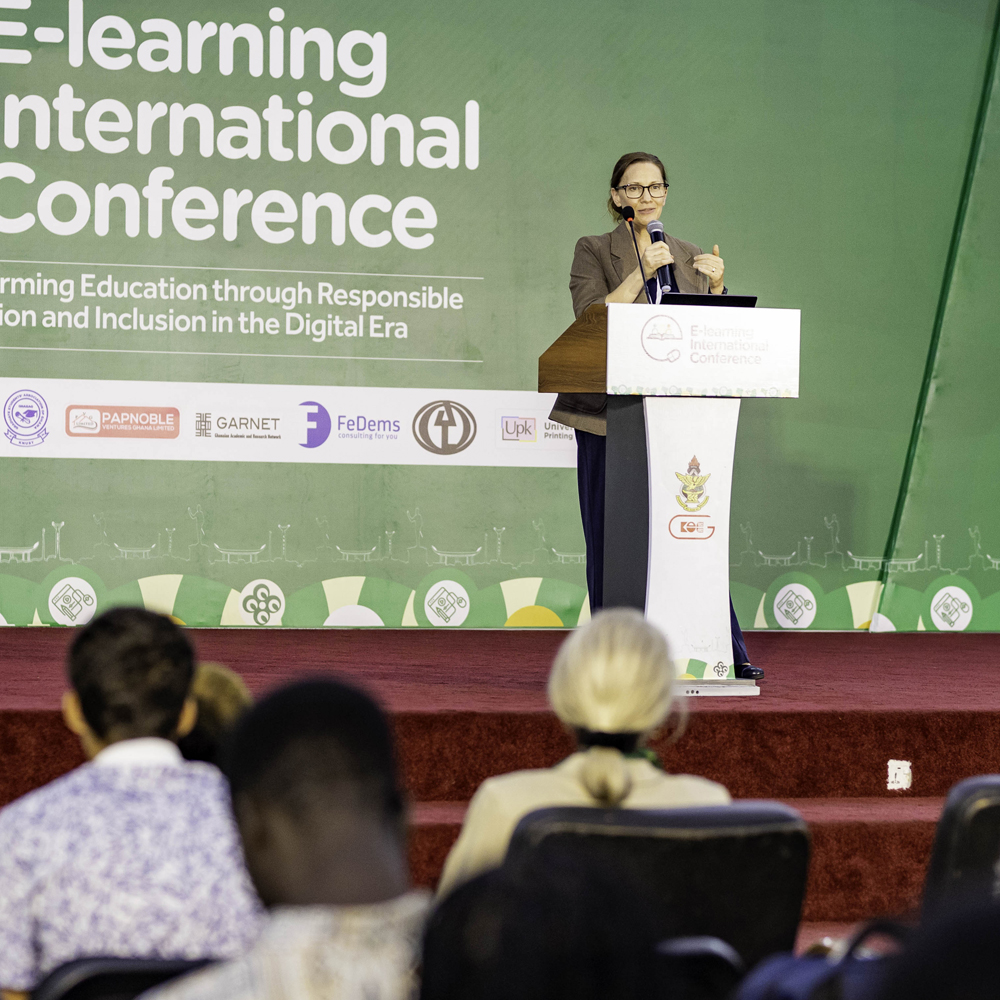
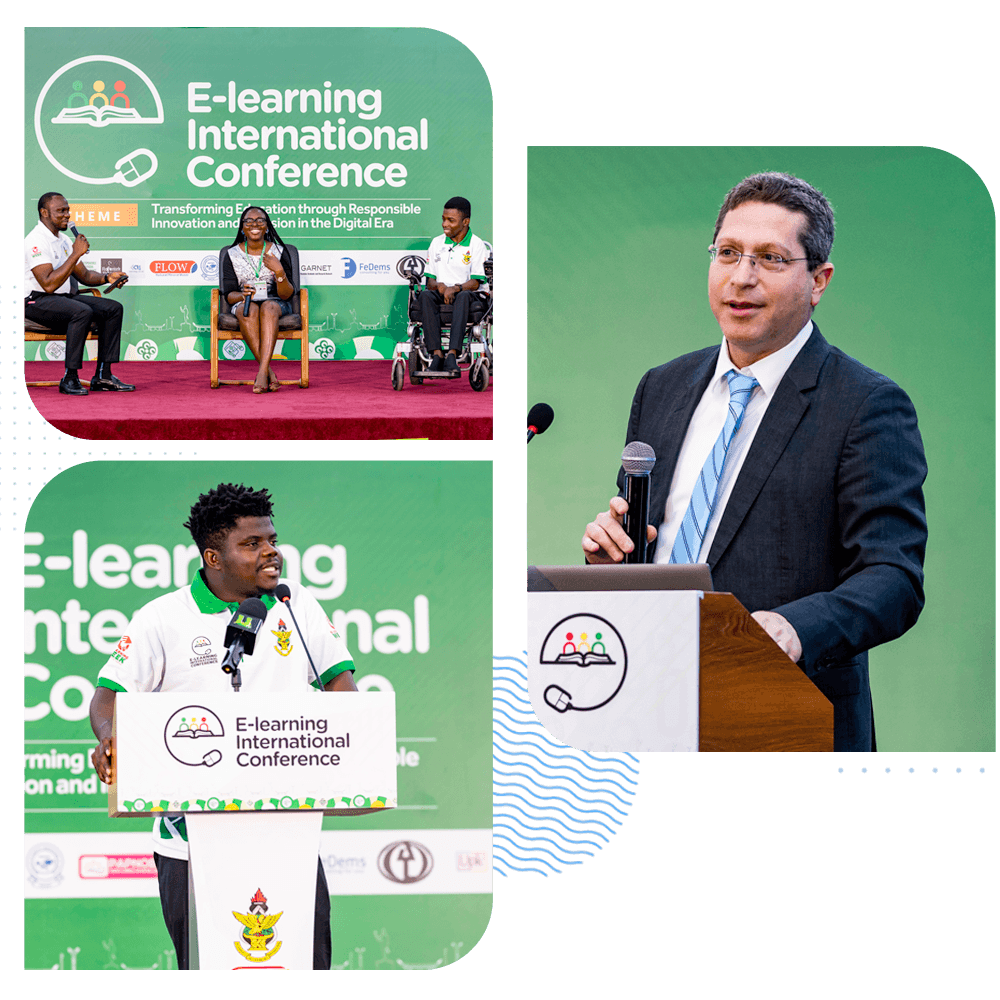
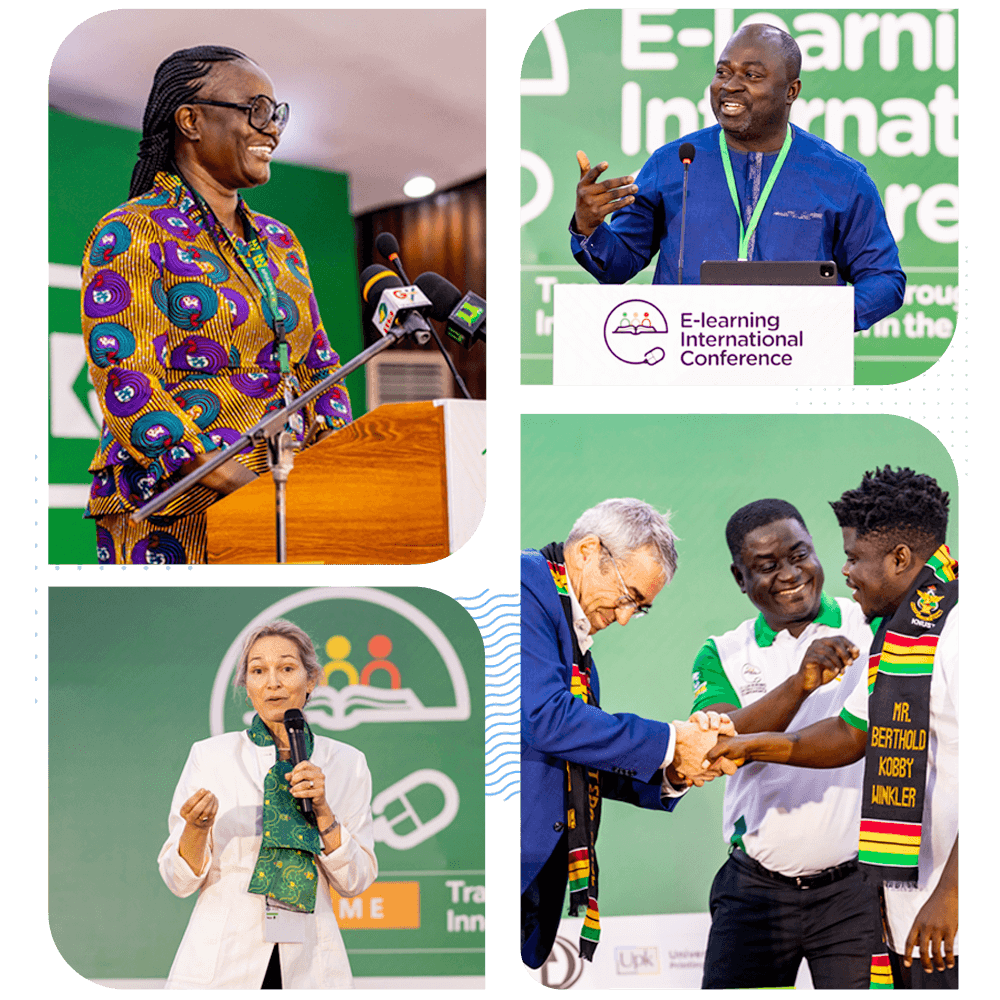
A gathering of Leaders driving the future of EducationThe conference brings together a diverse community of stakeholders united by a shared dedication to advancing e-learning initiatives, including Academics and Educators, Administrators, Technology Experts, Policymakers, Investors, Trainers and Support Staff, Edtech Innovators and Development Partners. |
 |
 WHEN
WHEN WHERE
WHEREA platform for ideas, innovation, and impact
The overarching goal of the conference is to provide a comprehensive platform for the exchange of ideas, experiences, and innovations in the e-learning landscape. This year, conversations will be anchored in the responsible and ethical deployment of AI tools, the design of inclusive digital learning environments, and the pursuit of equity across diverse educational contexts, from underserved communities to research-led institutions.
Attendees can expect thought-provoking keynote sessions, interactive workshops, AI demonstration showcases, and panel discussions that explore the challenges and opportunities of the rapidly evolving digital education landscape. The conference also coincides with the KNUST E-Learning Awareness Week Celebration, amplifying its reach and impact across the broader e-learning ecosystem.
Conference SessionsThe conference features a series of engaging presentations, panel discussions, interactive workshops, and an AI innovation showcase, all led by educators, researchers, and technology experts at the cutting edge of digital learning. |
|
|
|
Oral Presentation SessionsEach oral presentation session is organised as a symposium with a Chairperson, presentations on a common topic of interest, and one symposium discussant. Presenters explore research from multiple perspectives, providing a coherent set of papers for discussion. Each presenter is allotted 10 minutes for their presentation, followed by 10 minutes for the discussant and 20 minutes for open discussion. This format encourages substantive scholarly dialogue and peer engagement around a focused theme.
|
Interactive Poster SessionsDedicated poster sessions are scheduled throughout the conference programme. Each poster is a graphic presentation of a research study displayed on an A0 board in portrait format. Authors deliver a one-minute oral summary to an assembled audience, after which an in-depth discussion takes place around the poster displays. Poster sessions foster richer, one-on-one interaction and are ideal for early-stage research and visual storytelling of findings.
|
 |
|
|
Workshop sessionsWorkshops and demonstrations enable presenters to display, explain, and familiarise participants with an innovative approach, a teaching or research tool, or a learning sequence relevant to e-learning practice. The emphasis is on hands-on engagement rather than critique of completed research. Workshop conveners are expected to allocate adequate time for reflective discussion, and participants are encouraged to share experiences with comparable tools or innovations at the close of the session.
|
AI Innovation ShowcaseIn alignment with this year’s conference theme, the AI Innovation Showcase is a dedicated session for demonstrating live AI-powered tools, platforms, and applications in educational contexts. Presenters from academia, industry, and edtech organisations are invited to exhibit working solutions that advance inclusion, equity, or ethical practice in digital learning. This session bridges the gap between research and real-world implementation, offering attendees direct exposure to cutting-edge technologies reshaping the future of learning.
|
 |